When you dive into wood carving, having the right tools makes all the difference. Let’s talk about the must-haves that can truly boost your carving game.
First up, you can’t go wrong with a solid carving knife. Look for one that feels comfortable in your hand. A good carving knife will help you create precise cuts and details. It's like having an extension of your hand, so don't rush this choice!
Next, you’ll want to grab a set of chisels. A basic set usually includes a variety of shapes and sizes, which means you can handle different projects easily. Short, curved, or wide - having options on hand will let you tackle any design that pops into your mind.
Don’t forget about a good whittling knife. This tool is great for beginners because it helps you learn the basics while crafting small projects. Look for one with a comfortable grip, so you can carve without straining your hands.
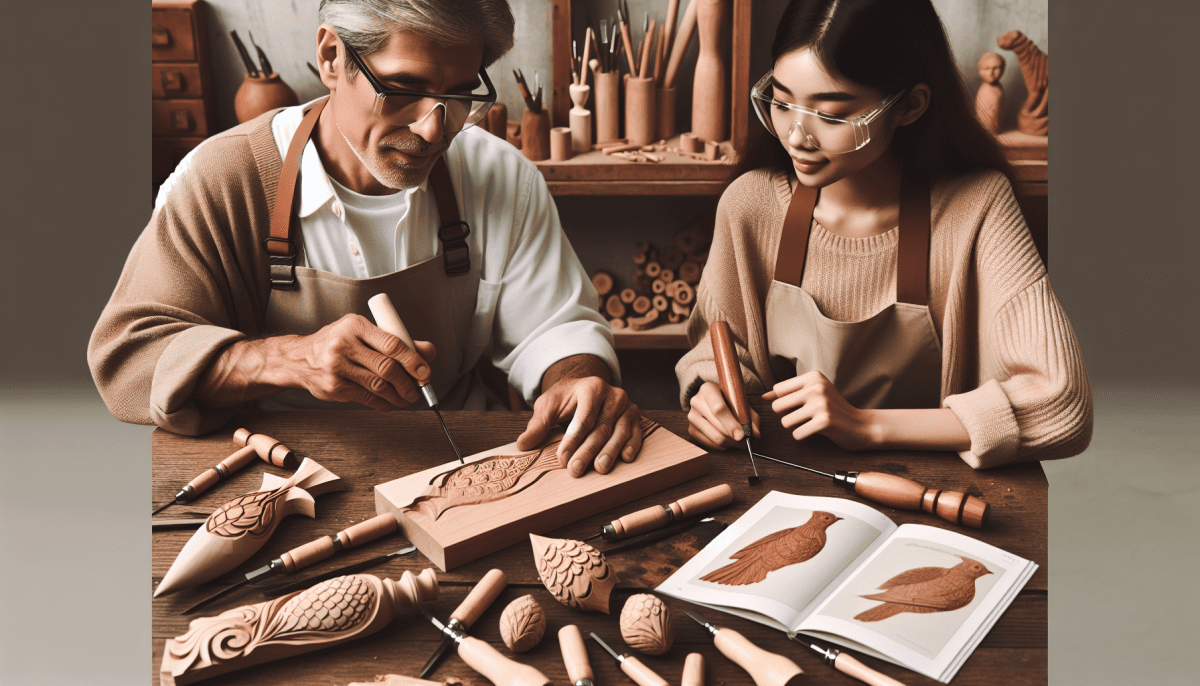
Lastly, a safety glove is a must. You want to protect your hands while you're getting into the groove of carving. Plus, accidents happen, so having that extra layer of safety brings peace of mind. With these tools under your belt, you’re set for some fun and creative wood carving adventures!
Learning Basic Wood Carving Techniques
Wood carving can be an amazing hobby. Getting started with some basic techniques will set a solid foundation. Grab your favorite piece of wood and a few tools, and let’s dig in!
First up, familiarize yourself with the tools. You’ll want a good carving knife, a chisel set, and maybe a whittling knife. Each tool has its own purpose. The carving knife is great for detail work, while chisels help with larger shapes. Take your time to learn how each tool feels in your hand. Practice cutting with different angles to see how it affects the wood.
Next, let’s talk about the grain of the wood. Always carve with the grain, not against it. This keeps your cuts smooth and lets you avoid splintering. It might take a bit of practice to figure out the direction of the grain, but it’s worth it for a clean finish. A good way to practice this is by making simple shapes and observing how the wood reacts.
Start small. Try carving simple designs like spoons, ornaments, or even just basic shapes. Don’t put pressure on yourself to create masterpieces right away. Enjoy the process and the satisfaction of each small victory. Your skills will grow the more you experiment!
Finally, always prioritize safety. Invest in a good carving glove to protect your hands. Make sure your workspace is set up well so you have plenty of room to move. And don’t rush. Take your time with each piece. Carving is as much about the journey as it is about the final product.
Safety Tips for New Wood Carvers
Jumping into wood carving is super exciting, but safety should always be your top priority. Here are some easy tips to keep you safe while you carve your masterpieces.
First off, always wear protective gear. A good pair of gloves can save your hands from small nicks and cuts. Safety glasses are a must, too, especially if you’re using power tools or working with tough wood that might splinter.
Next, make sure your workspace is tidy. A clutter-free area helps you focus on your carving without distractions. Keep your tools organized so you won’t accidentally grab the wrong one. Trust me, tripping over a rogue chisel isn’t fun!
Lastly, use your tools correctly. Sharp tools might seem scary, but they’re actually safer than dull ones. A dull tool requires extra pressure, which can lead to slips. Always cut away from your body. Your fingers will thank you later!
By following these simple safety tips, you’ll enjoy your wood carving journey and keep all your fingers intact. Happy carving!
Common Mistakes and How to Avoid Them
Starting out in wood carving can be exciting, but it’s easy to fall into a few common traps. Let’s chat about some typical mistakes and how to steer clear of them so you can enjoy the process.
One major hiccup is choosing the wrong wood. Beginners often grab whatever they find, which can lead to frustration. Softwoods like pine are great for starters because they carve easily and don’t require heavy tools. Hardwoods like oak or cherry look beautiful, but they can be tough on new carvers.
Another mistake? Skipping the practice. It’s tempting to jump straight into your big project, but starting simple makes a huge difference. Spend some time on scrap wood practicing basic shapes and techniques. This way, you’ll build your skills and boost your confidence before diving into the more complex designs.
Don’t overlook safety, either! A lot of new carvers forget to wear gloves or safety goggles. Protecting yourself isn’t just smart; it lets you focus on carving instead of worrying about slips and nicks. Also, make sure to keep your tools sharp. Dull tools require more force, making accidents more likely.
Lastly, be patient. Wood carving is an art that takes time to master. Celebrate your progress, even if it feels slow at times. Every quick project you complete helps you learn and grow. So take a breath, enjoy the journey, and keep carving away!